
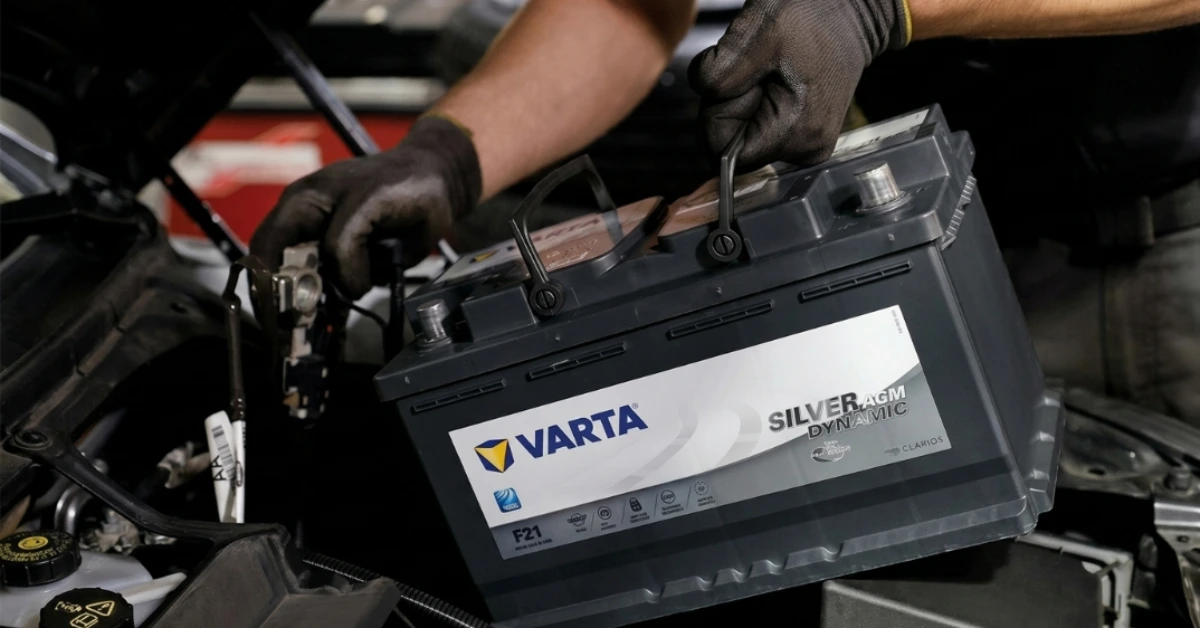
Batteries are part of our daily lives, from TV remotes to cars; we depend on them every day. But many people do not know that using a battery the wrong way can be dangerous. Whether it leaks, overheats, or is thrown in the wrong bin, a battery can cause real harm to people and the environment.
If you use Varta batteries at home or at work, knowing how to handle, store, and dispose of them safely is very important. This guide covers everything you need to know, including what the MSDS (Material Safety Data Sheet) says, so you can stay safe and make smart choices with your Varta batteries.
What Is an MSDS and Why Does It Matter for Varta Batteries?
An MSDS, or Material Safety Data Sheet, is an official document that tells you what a product is made of and how to use it safely. For Varta batteries, the MSDS lists the chemicals inside, health risks, first aid steps, and proper disposal methods.
It is mostly used in workplaces and by safety teams, but it is useful for anyone who wants to understand battery risks. Knowing what is inside your battery helps you act fast if something goes wrong, like a leak or a fire.
MSDS Section | What It Covers | Why It Matters |
Chemical Composition | Lists all materials inside the battery, such as zinc, manganese dioxide, and lithium | Helps you know what you are dealing with if a battery leaks or breaks |
Health & Safety Risks | Describes risks from skin contact, eye exposure, or swallowing battery chemicals | Guides you on what precautions to take during everyday handling |
First Aid Measures | Step-by-step instructions for skin contact, eye exposure, and accidental ingestion | Helps you act fast and correctly in an emergency |
Fire & Explosion Data | Explains how batteries react to heat, flame, and short circuits | Tells you what to avoid to prevent a fire or explosion |
Storage Guidelines | Recommended temperature range, humidity levels, and packaging rules | Keeps unused batteries safe and extends their shelf life |
Disposal Instructions | Proper methods to get rid of used batteries without harming the environment | Prevents soil and water pollution from battery chemicals |
Handling Precautions | Rules for safe physical handling, such as wearing gloves and avoiding drops | Reduces the chance of accidents during use or installation |
How to Handle Varta Batteries Safely?
Handling batteries the wrong way is one of the most common causes of leaks, damage, and injuries at home. There are a few simple rules that can make a big difference. The sections below cover the three most important things to keep in mind every time you pick up a battery.
Keep Batteries Away from Heat and Water
Never place batteries near open flames, hot surfaces, or in direct sunlight. High heat can cause a battery to swell or even burst. Water can trigger a chemical reaction inside the battery, which may cause leaking or damage to the device. Always keep batteries in a cool, dry place and away from anything that can get wet.
Do Not Mix Old and New Batteries
One of the most common mistakes is putting a fresh battery with an old one in the same device. This can cause the weaker battery to over-discharge, which leads to leaking. Always replace all batteries in a device at the same time, and use the same brand and type.
Handle with Clean, Dry Hands
When inserting or removing batteries, make sure your hands are clean and dry. If a battery has leaked, do not touch the liquid with your bare hands. Use gloves or a dry cloth. If the liquid touches your skin, wash it off with clean water right away.
Insert Batteries the Right Way
Always check the positive (+) and negative (−) markings inside the battery compartment before inserting a battery. Putting a battery in backwards can damage the device and the battery itself. Some devices may stop working or even overheat if the polarity is wrong. Take a second to check before you close the compartment.
Remove Batteries from Unused Devices
If you are not going to use a device for a long time, like a torch or a remote you rarely touch, take the batteries out. Batteries left inside unused devices can slowly discharge and eventually leak. This can ruin the device and make cleanup messy and unsafe.
How to Store Varta Batteries the Right Way?
Even unused batteries can go bad if they are stored in the wrong place. Poor storage leads to shorter battery life, leaks, and even safety risks. Below are the key storage habits to keep your batteries in good condition longer.
Store in a Cool, Dry Place
Batteries should be stored at room temperature, around 15°C to 25°C is ideal. Avoid storing them in a bathroom, kitchen, or car glove box where heat and moisture levels change often. A dry drawer or storage box works well.
Keep Batteries in Their Original Packaging
Until you are ready to use them, keep batteries in their original packaging. This stops the terminals from touching metal objects, which can cause a short circuit. If the original packaging is gone, use a small plastic bag or a battery case.
Do Not Store Loose Batteries Together
Loose batteries stored in a pile or a bag can touch each other at the terminals. This can lead to a short circuit, which may produce heat or even a small fire. Always store batteries separately or with terminal covers on.
Keep Batteries Away from Children
Batteries, especially small button cells, are a serious swallowing risk for young children. Always store batteries in a closed box or locked drawer that children cannot reach. If a child swallows a battery, go to the nearest emergency room right away. Do not wait for symptoms to appear.
Check Expiry Dates Before Use
Varta batteries come with a printed expiry date on the pack. Using a battery past its expiry date can result in poor performance or leaking. Before putting a battery into any device, check the date. If it has passed, recycle the battery and use a fresh one.
Quick Storage Tips:
- Keep away from coins, keys, and other metal objects
- Store in a closed container out of children’s reach
- Do not freeze batteries, as it damages their performance
- Keep different battery types in separate boxes
How to Dispose of Varta Batteries Safely?
When a battery stops working, throwing it in the nearest bin might seem easy, but it is the wrong thing to do. Used batteries need to be disposed of properly to protect both people and the planet. Here is what you should know before getting rid of your old batteries.
Never Throw Batteries in the Regular Bin
Batteries contain chemicals like zinc, manganese, and lithium that can harm the soil and water if they end up in a regular landfill. Most countries have laws against throwing batteries in household waste. Always use a proper battery recycling point instead.
Use a Battery Recycling Collection Point
Most supermarkets, electronics stores, and local councils have collection boxes for used batteries. Simply drop your used batteries in these boxes. The chemicals inside are then handled safely by recycling professionals who know how to process them without causing harm.
Tape the Terminals Before Disposal
Before dropping a battery into a recycling box, place a small piece of tape over both terminals. This stops the battery from making contact with other batteries in the collection box, which could cause a short circuit or heat build-up. It is a small step that makes the recycling process safer for everyone.
Follow Local Disposal Rules
Different areas have different rules for battery disposal. In the UAE, recycling programs and authorized collection points are available for safe drop-off. Check with your local authority or the shop where you bought the battery for the nearest collection point. Following local rules keeps you on the right side of the law and helps protect the environment.
What to Do in Case of a Battery Emergency?
Even with careful handling, accidents can happen. Knowing what to do in the first few minutes can prevent a small problem from becoming a serious one. If a battery leaks, swells, or comes into contact with skin or eyes, act fast:
- Skin contact: Wash the area with plenty of clean water for at least 15 minutes
- Eye contact: Rinse eyes with water immediately and seek medical help
- Swallowed battery: Call emergency services or poison control right away
- Battery fire: Use a dry powder or CO₂ extinguisher, never water
Conclusion
atteries are safe when used correctly, but ignoring basic rules can lead to accidents. Always keep batteries away from heat and moisture, replace them as a full set, and store them in cool, dry conditions. When they are done, recycle them at a proper collection point; never toss them in the bin.
Following the guidance found in the Varta Battery Safety Data Sheet helps protect your health and the environment. A little care goes a long way in keeping your home and workplace safe with Varta batteries handled, stored, and disposed of the right way.
Are you ready to replace your batteries? Visit Battery Zone UAE for a wide range of genuine Varta batteries, from AA and AAA to car and industrial batteries. Battery Zone also offers professional battery replacement services to keep your devices and vehicles running smoothly.